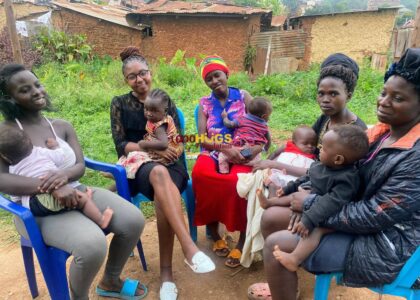

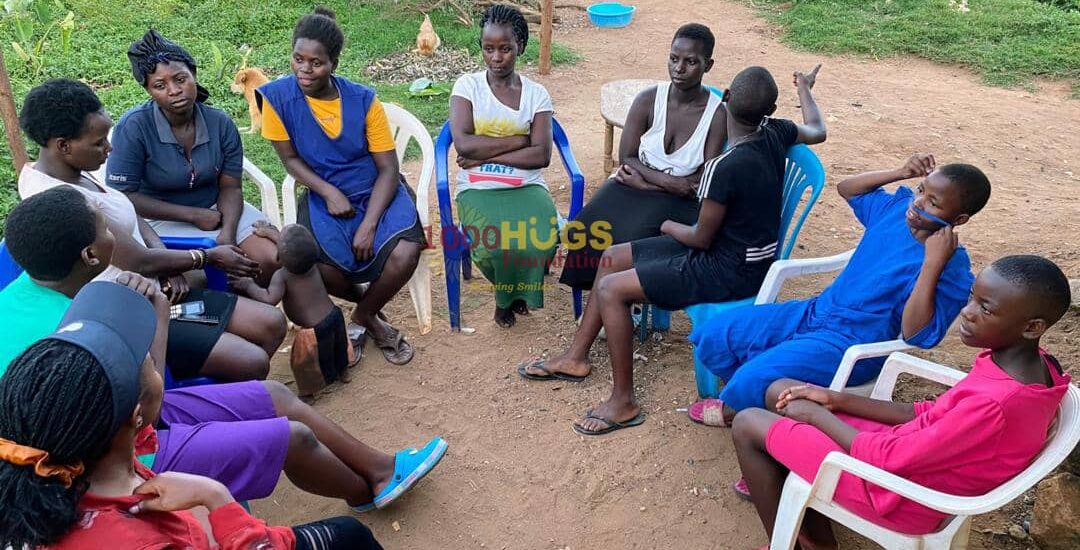
Fibroids, medically known as uterine fibroids, are non-cancerous growths that develop in the womb. Although they are not life-threatening, they can have a serious impact on a woman’s health, fertility, and quality of life. In Uganda, fibroids are a silent but widespread condition. Research shows that about one in four women will develop fibroids before the age of 30, yet many do not even know they have them until the symptoms become overwhelming. For too long, fibroids have been treated as a private matter, something to hide, ignore, or suffer through in silence. This silence has left many women without the knowledge they need to recognize symptoms early or seek medical help. At 1000HUGS Foundation, we believe that women and girls deserve safe spaces to talk openly about reproductive health issues, including fibroids, without fear or stigma.
What makes fibroids a concern in Uganda?
The symptoms vary from woman to woman. Some live with fibroids without noticing any changes, while others experience heavy and prolonged menstrual bleeding, pelvic pain, swelling in the lower abdomen, frequent urination, or challenges with conceiving. In many cases, the heavy bleeding caused by fibroids leads to anemia, leaving women weak, tired, and unable to live fully productive lives. Cultural beliefs and stigma make the problem worse. In some communities, heavy bleeding or infertility is blamed on curses, witchcraft, or personal failure. As a result, women often delay seeking medical help, only turning to hospitals when the fibroids are very large or when complications have already set in. Treatment at that stage is not only more complex but also more expensive, creating an additional financial burden for families.
Treatment and hope
The good news is that fibroids can be treated. Depending on their size and location, fibroids may be managed with medicines, removed surgically, or treated using newer procedures such as uterine fibroid embolization, which is now available in some Ugandan hospitals. Importantly, not all fibroids require surgery; sometimes, close medical monitoring is enough. The key is early detection and access to accurate information.
Why awareness matters
Raising awareness about fibroids is an important step in safeguarding women’s health. When women and girls know what fibroids are, what signs to look out for, and where to seek help, they are better equipped to make informed decisions about their bodies. Awareness also reduces stigma, replacing fear and shame with understanding and solidarity.
At 1000HUGS Foundation, our work in menstrual health and sexual and reproductive health rights already highlights the importance of breaking taboos around women’s bodies. Including fibroids in our conversations is a natural extension of this mission. By speaking openly about fibroids, we empower women to seek care early, protect their fertility, and improve their overall well-being.
Moving forward
Fibroids are not just a medical issue̶ they are a woman’s rights issue. No woman should have to suffer in silence, normalize heavy bleeding, or risk her health because of a lack of knowledge. As we continue to champion menstrual health and reproductive rights, 1000HUGS Foundation is committed to bringing fibroids into the conversation, creating platforms where women can learn, share, and support each other.
Together, we can replace stigma with knowledge, silence with conversation, and suffering with hope.
References
World Health Organization (WHO). *Reproductive health topics.*
Daily Monitor. *Fibroids: A common problem few women talk about.* (2015).
Daily Monitor. *Facts: All you need to know about uterine fibroids.* (2019).
Busoga Today. *Fibroids: A disease eating up women.* (2022).
Observer. *Fibroid embolization procedure now a possibility in Uganda.* (2023).